Industry Standard for Macroscopic Traffic Analyses
HCS is a robust macroscopic traffic simulation tool designed for transportation professionals to conduct surface road analyses and assess the operational performance of almost any surface street. Trusted by transportation professionals in government agencies, consulting firms, and academia, HCS delivers results that fully comply with the Highway Capacity Manual, making it the preferred choice for reliable traffic analysis.
Compliance to HCM
A Unique Feature
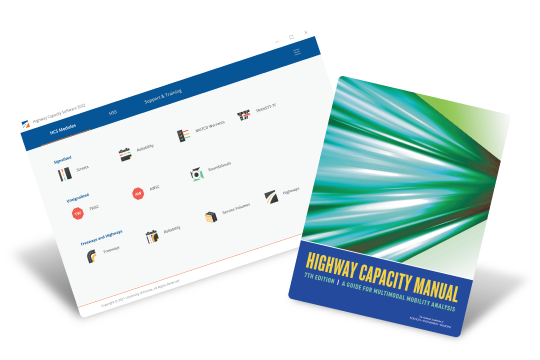
The Highway Capacity Software (HCS) faithfully implements the methods and procedures documented in the Highway Capacity Manual (HCM) without any modifications. In other words, the results from our software ensures 100% compliance to the HCM and yield the same results as those obtained through analysis solely using HCM.
Built with Rigorous Research and Review
The HCM is the most widely used reference material in transportation engineering based on multi-million dollar, high-profile, national-level research. It is overseen by the Transportation Research Board’s (TRB) Committee on Highway Capacity and Quality of Service.
HCS model’s foundation utilizes extensive traffic engineering research and a rigorous peer- review process from both a research-level and a TRB committee-level for HCM adoption. This ensures users that analyses performed using HCS to accurately reflect HCM methodologies.

HCS 2026
New Version
HCS 2026 includes a new converter and redesigned freeway reports. Learn more about the latest updates!
Why Use HCS?

Credible
The analysis is based on national-level research and results from the software are supported by extensive documentation.

Cost-Effective
HCS is one of the most affordable traffic analysis toolboxes in the market.

Ease-of-use
HCS is known for its intuitive and user-friendly interface, making it easier for experienced or new users to perform and review studies.

Integration
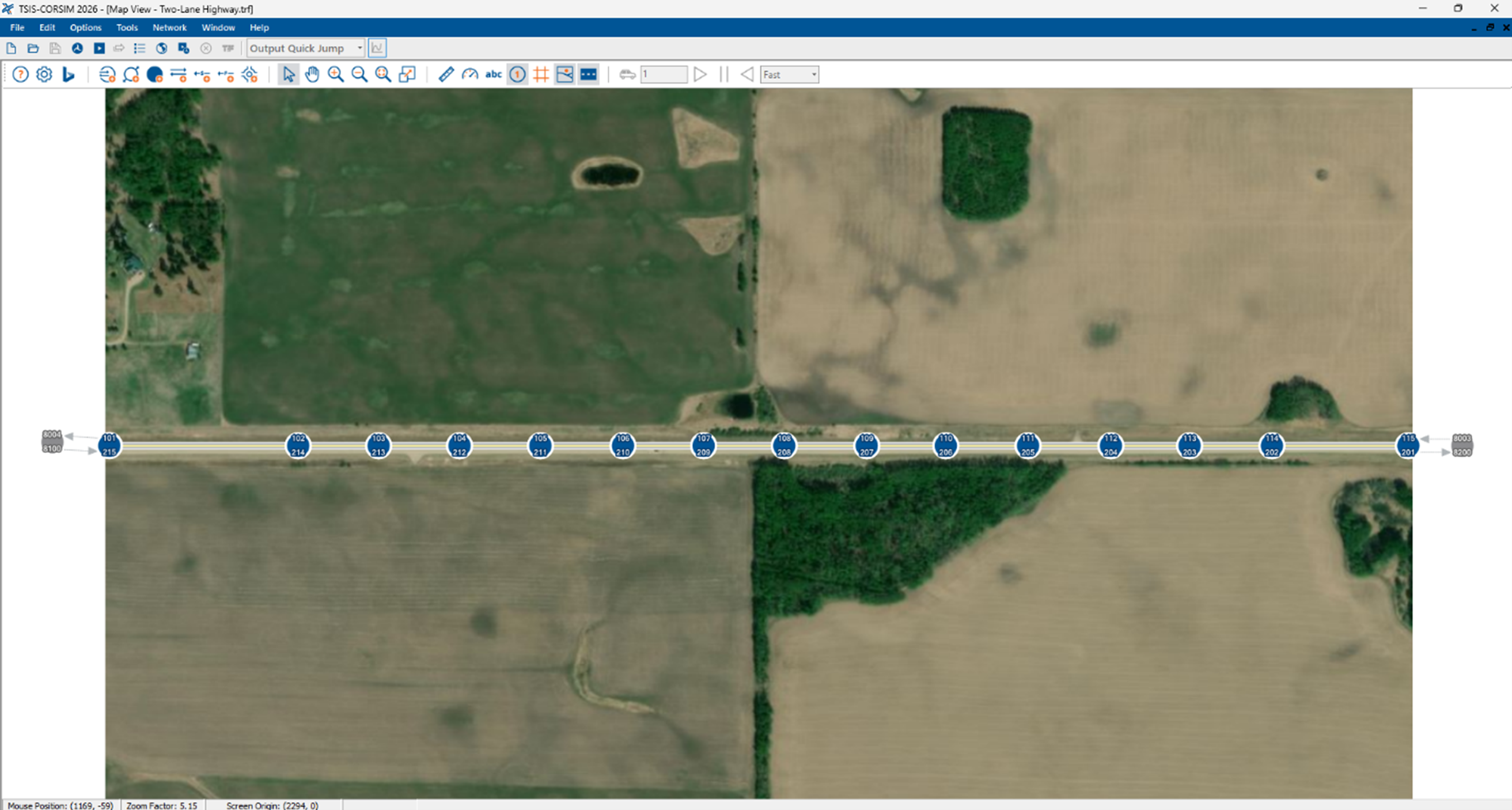
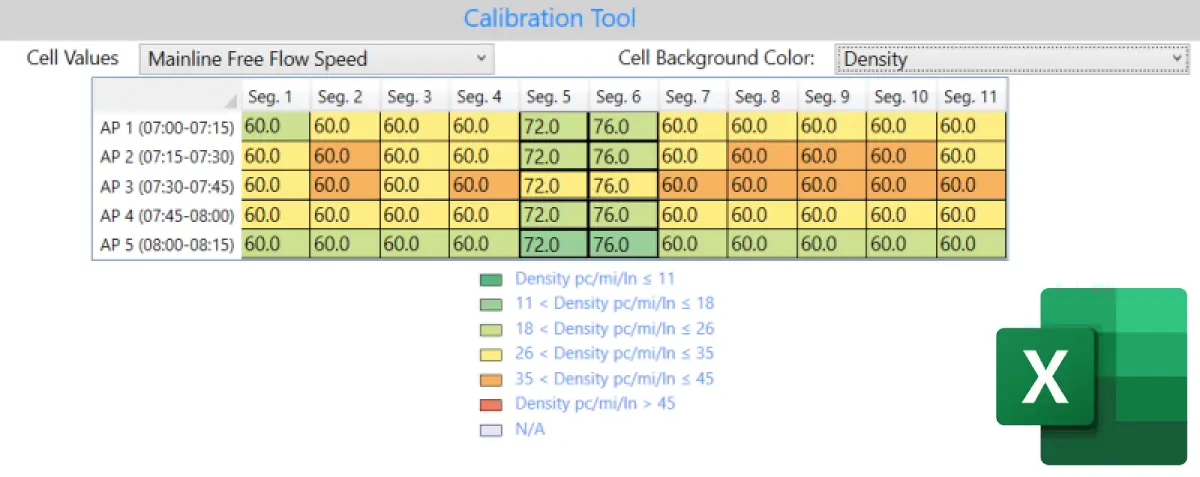
Streamline your workflow within our software suite, including HSS, TSIS-CORSIM, and Transyt-7F. or other tools, such as Synchro and Excel.

Regular Updates
HCS is regularly updated. This ensures consistent improvements and compliance with the latest HCM methodologies.

Transparent Analysis
Experience a robust and transparent traffic simulation tool that provides clear insights into traffic behavior and dynamics.
Module Highlights



Get Started
Scope of Analysis
Comprehensive Analysis
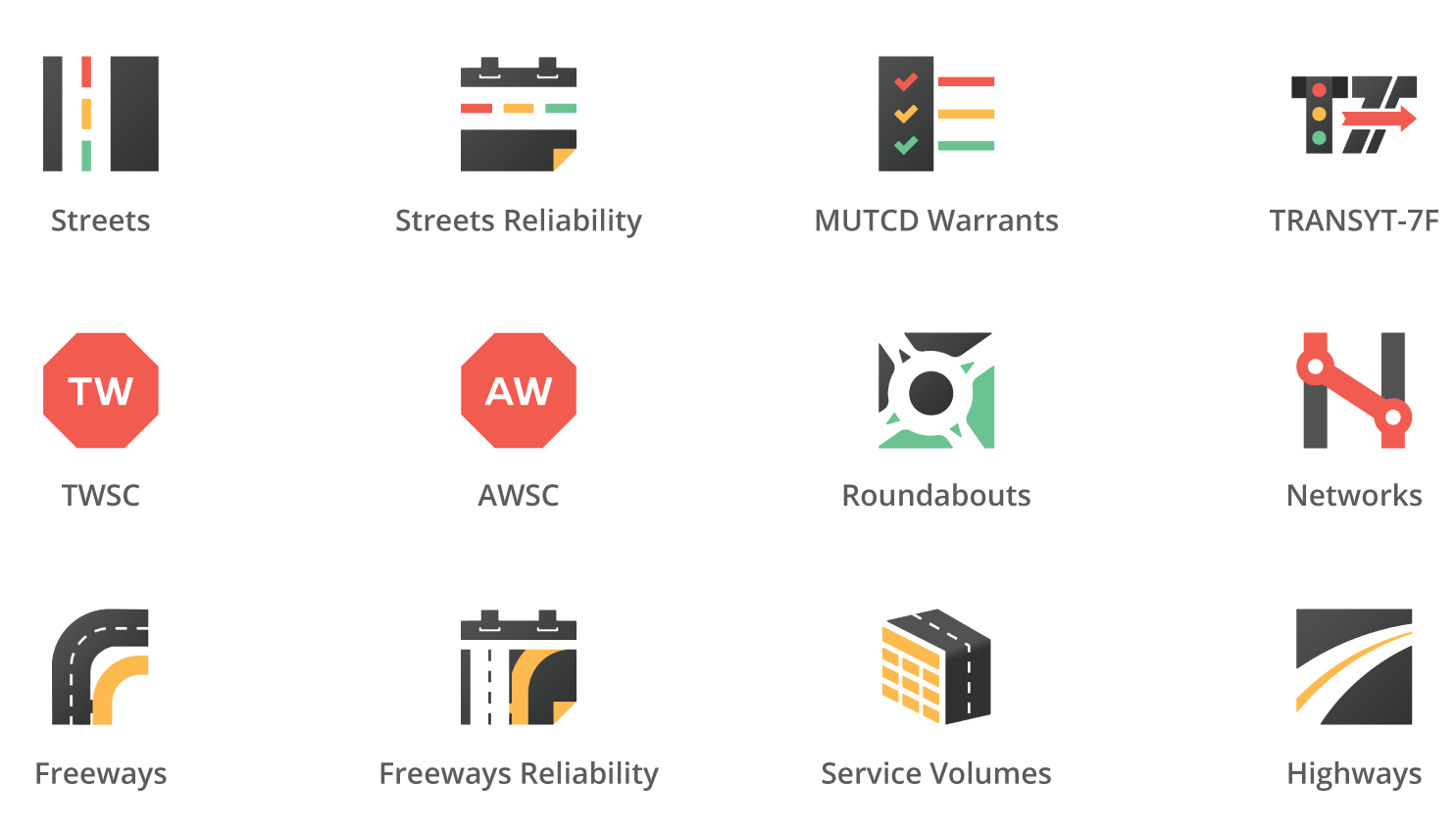
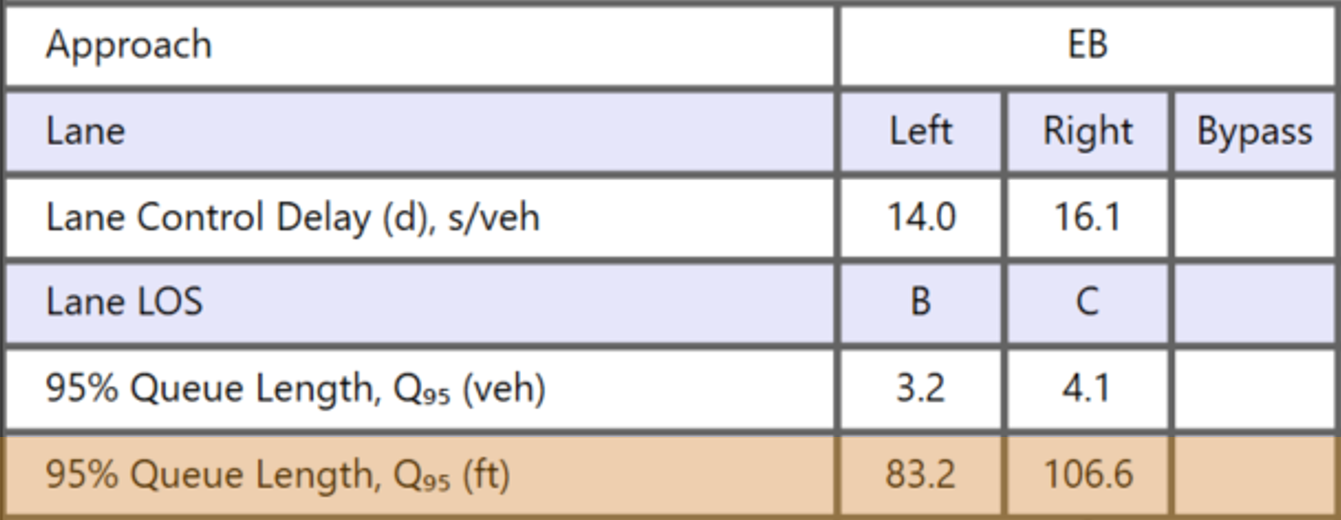
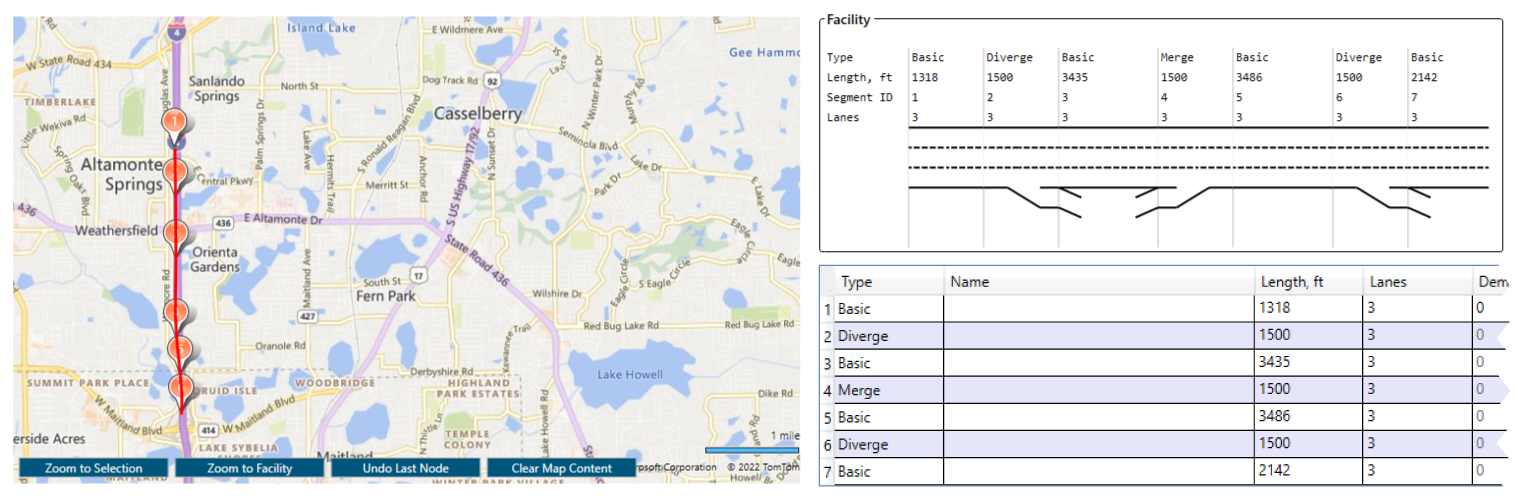
HCS is a comprehensive tool capable of analyzing traffic operations, safety, and road capacity. It is able to model various scenarios, including work zones, managed lanes, and weather conditions. With HCS, you can also analyze a wide range of study periods, from a single peak hour to a full 24-hour assessment across all facility types. It also supports congested multiperiod analysis and full-year reliability studies for both freeways and arterial. Find out more below.







Resources to Succeed



Applications
Planning-Level Analyses
Long-range transportation planning
Initial screening of alternatives
Feasibility studies
Operational Analyses
Traffic impact studies
Evaluation of future conditions
Build multiple scenarios
Travel Time Reliability
Long-term variations of travel time
Cyclical variations of traffic demand
Effects of weather, incidents, and work zones
Integration
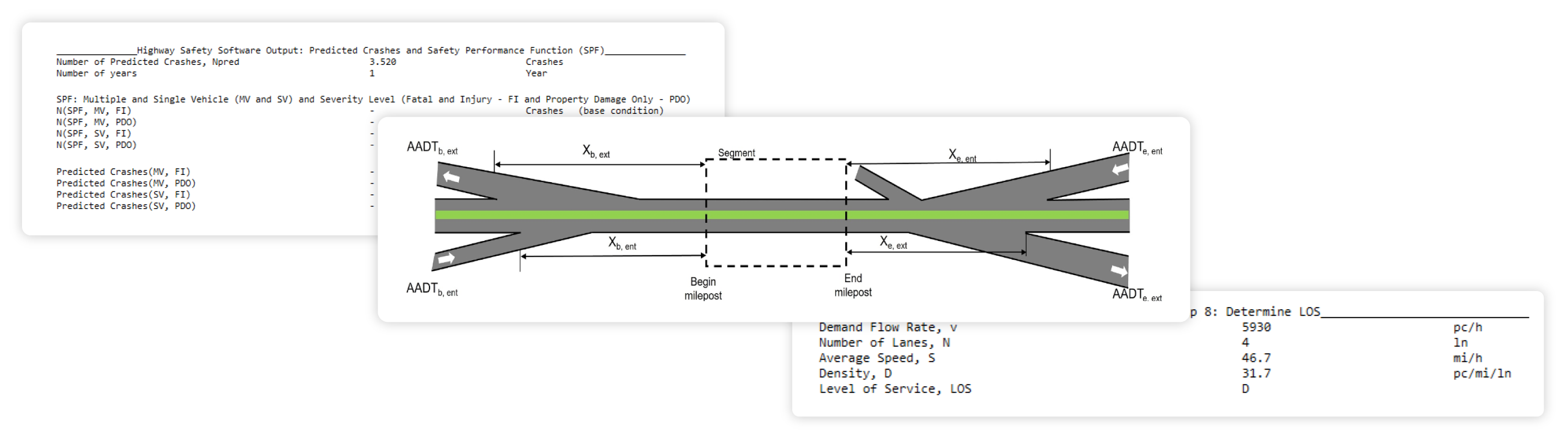
Integration with HSS
Import HSS safety results
Export Freeways and Highways project files to HSS
Integration with TSIS-CORSIM
Export arterial corridor model and settings to T7F or as animation in TRAFVU
Import T7F timing optimization
CSV Input and Output
Comprehensive CSV input/output functionality enables users to copy/paste data easily to/from external data sources, reducing errors and data entry time.
Unit System
Full unit conversion from/to metric system
Legacy Software
Includes Legacy HCS7 (HCM 6th Edition) modules
Includes Legacy HCS2010 (HCM 2010) Streets module
Includes legacy HCS+ (HCM 2000) Arterials, Interchanges, and Signals modules
Analysis and Methods
Analysis of Connected and Automated Vehicles
Model CAVs in the traffic mix for long-range planning analyses as a function of CAV market penetration. HCS implements this impact for freeways (basic, merge, diverge and weave segments, and facility analysis) as well as roundabouts and signalized intersections.
HCM Methods for Pedestrians
Updated analysis at TWSC intersections and uncontrolled crossings. This model can cover 15 types of safety treatments, allowing practitioners to plan for multimodal urban transportation and more livable cities.
Service Volume Tables
New service volume tables, including the impact of CAVs for different freeway segment types.
Scope of Freeway Analysis
Facility and Segmentation
Lane-by-Lane Analysis
Multi-period Analysis
Oversaturated Conditions
Travel Time Reliability
Managed Lanes (HOV, HOT)
Incidents
Work Zone Analysis
User Delay Cost
Scope of Arterial and Streets Analysis
Pre-timed Control
Actuated Control
Coordinated Control
Travel Time Reliability
Signal Timing Optimization
Facility / Segment Analysis
Work Zone Analysis
Access Point Analysis
Scope of Interchange and Alternative Intersection Analysis
Diamond Interchange
Diverging Diamond Interchange
Partial Cloverleaf
Displaced LT / Continuous Flow Intersection
RCUT / Super Street
MUT / Michigan Left
Single-Point Urban Interchange
Scope of Highway Analysis
Multilane Highways
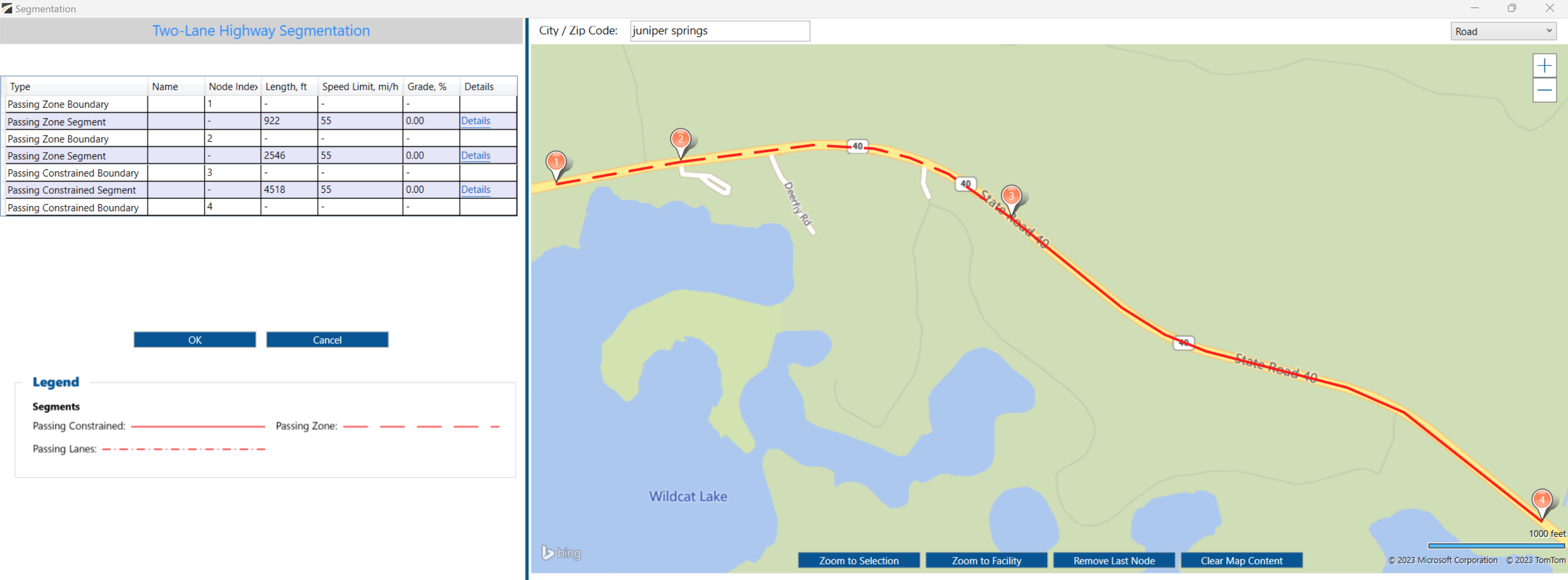
Two-lane Highways
– Passing Lane Analysis
– Horizontal Alignment
– Super 2 (2+1 Highways)
Scope of Unsignalized Intersection Analysis
Two-Way Stop Controlled
All-Way Stop Controlled
Roundabouts
Other Analyses
Emissions Report
Network Analysis
Connected Automated Vehicle

Extraordinary Support
Dedicated to fast and quality customer service.
If you have questions, we welcome you to reach out to us.
With any software subscription, you will have access to unlimited technical software support. That includes help with implementing and reviewing HCM-compliant analysis in the HCS.